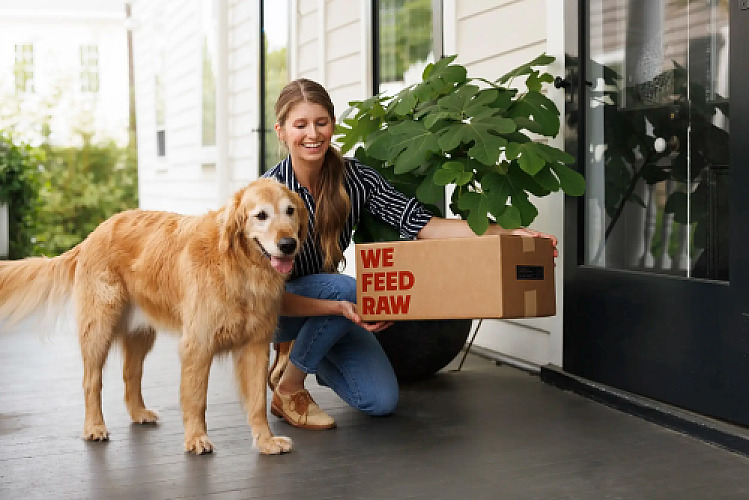
Somebody small is chewing your shoelaces, sleeping in physically impossible spaces, and looking at you like you personally invented breakfast. You’d do anything for this pup, which is exactly why the food question starts to play on your mind.
Blame the clock. Your dog will likely do the bulk of their growing within their first year, and what goes in the bowl during those months builds bone, steadies digestion, and fuels all of those zoomies. Feed that window well, and you’ll spend a lot less time worrying about it later.
So the hunt begins, and raw feeding keeps turning up. Here’s what’s compelling new pet parents and how to weigh the choice before it lands in your little one’s dish.
Complete and Balanced for Growth
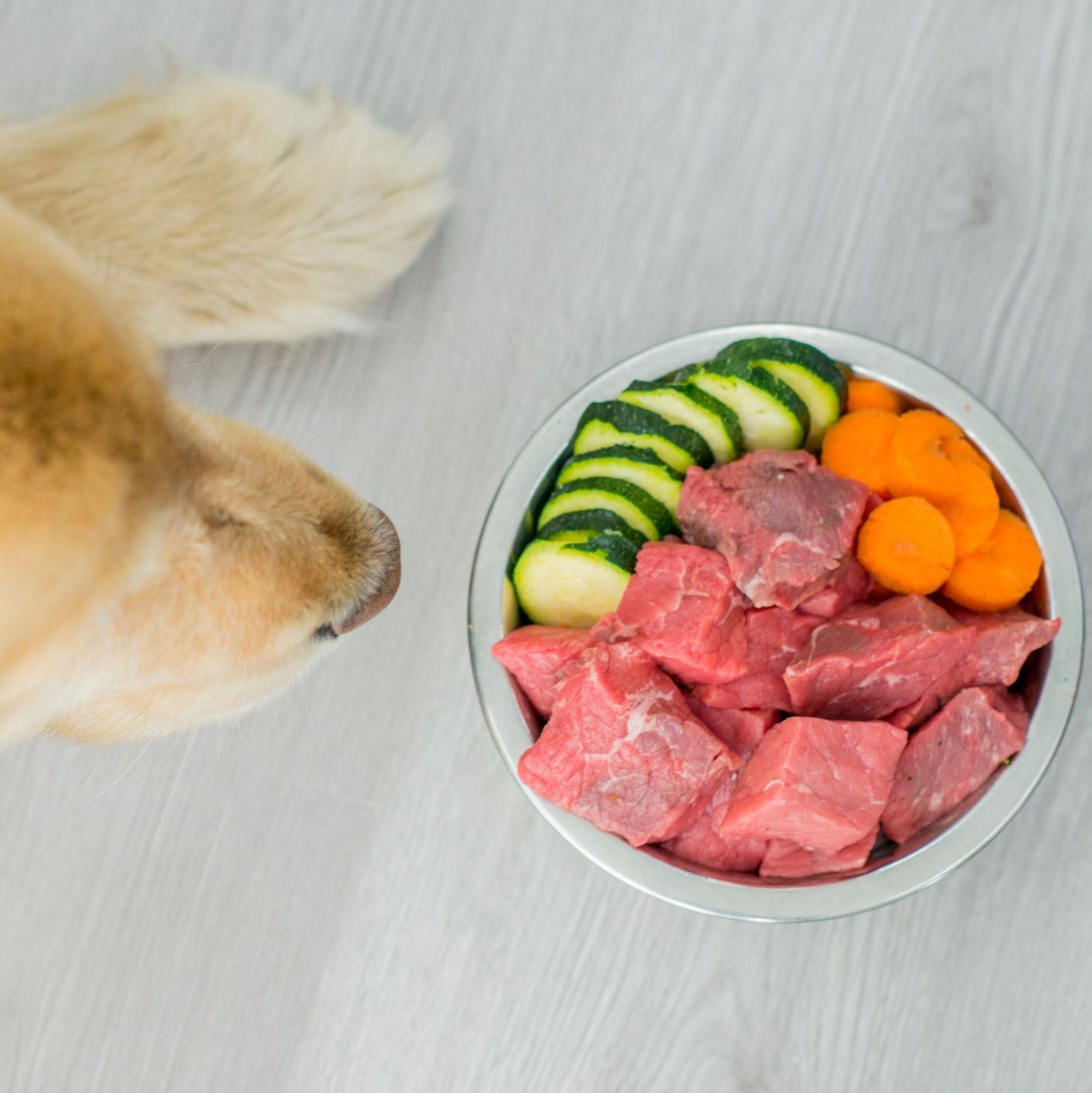
The first worry most pet parents raise about raw feeding is whether it covers everything a developing body needs. It’s a fair question since dog development demands precise ratios of calcium and phosphorus. Some owners don’t realize that missing those can affect how a skeleton forms, especially in large breeds.
This is one way that homemade raw meals get risky. It’s not as easy as simply buying raw meat. Assembling meat, bone, and organ in the right proportions takes real nutritional training, and even small errors can compound over months of daily feeding.
Commercially formulated recipes take that math off your plate. We Feed Raw formulates its frozen line to meet AAFCO nutrient profiles for all life stages, including the growth of big-breed pups, with a PhD animal nutritionist behind each formula. Look for that all-life-stages phrasing on any label you’re considering since a food cleared only for adult maintenance won’t carry a pup through development.
The Safety Step Behind Raw Meals
The possibility of bacteria is the objection that stops most pet parents from venturing into raw territory, and it’s usually the first thing a vet brings up. Salmonella in a young dog’s bowl makes room for concern, particularly in a house with toddlers.
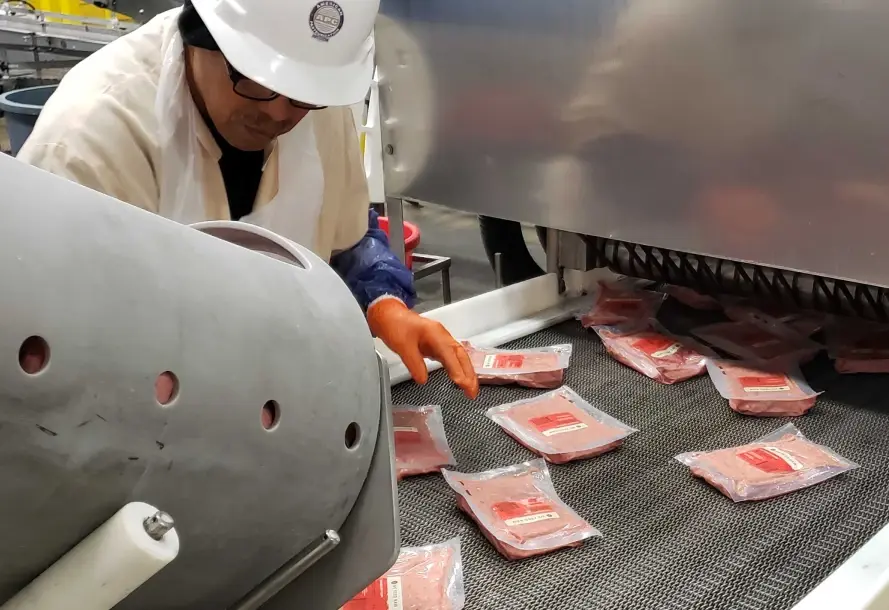
That’s where high-pressure processing, or HPP, comes in. In this process, sealed packages sit in a chamber of cold water under enormous force, which inactivates pathogens without cooking anything. In a food-safety study of eight commercial raw diets, two minutes under pressure combined with frozen storage brought Salmonella and E. coli down to the safety threshold and held them there for three weeks.
We Feed Raw runs every frozen recipe through HPP. If your vet asks, and a good one will, you can name it and describe what it does.
Nutrients That Survive the Process
Kibble gets its shelf life from extrusion, a high-heat method that cooks the ingredients and presses them into those familiar little shapes. It’s efficient, and it genuinely helps make starch easier for your dog to digest. But there’s a compromise that most people don’t know about.
A review of dry pet food found vitamins A, D, E, and K among the first to break down during the extrusion process. Manufacturers know this, so they add nutrients back in afterward. That’s a reasonable fix, though it isn’t the same as not losing them in the first place.
Here’s what’s hard to spot in the dog food aisle. The guaranteed analysis printed on a kibble bag tells you what’s in the food once it’s finished, not how much had to be added back to hit those numbers or how consistently that fix lands from batch to batch. Two labels can show nearly identical numbers and have taken very different roads to get there.
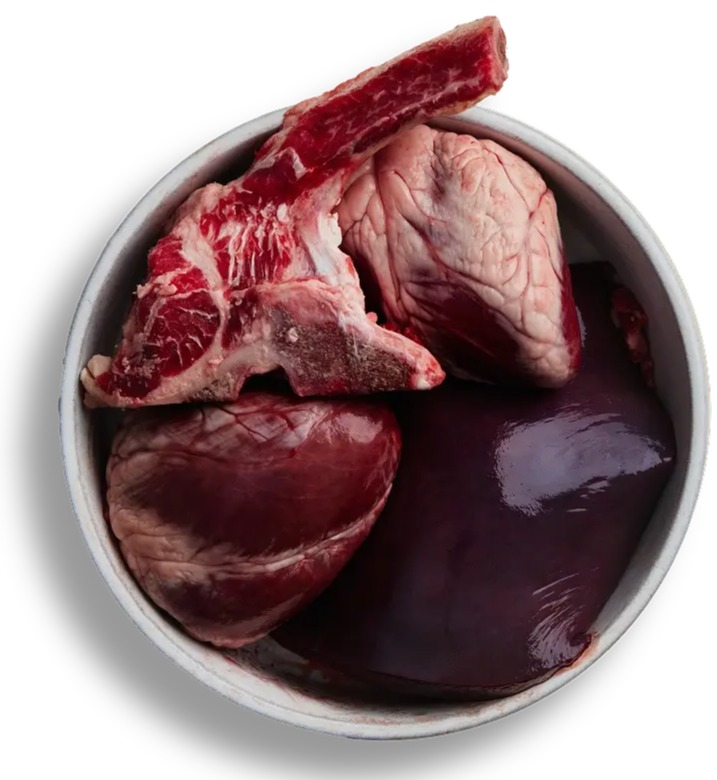
Raw meals skip the cooking, so the vitamins arrive intact from the ingredients. For a puppy building bone and muscle every week, that’s one less variable in what’s actually reaching a growing body.
What the Body Takes In
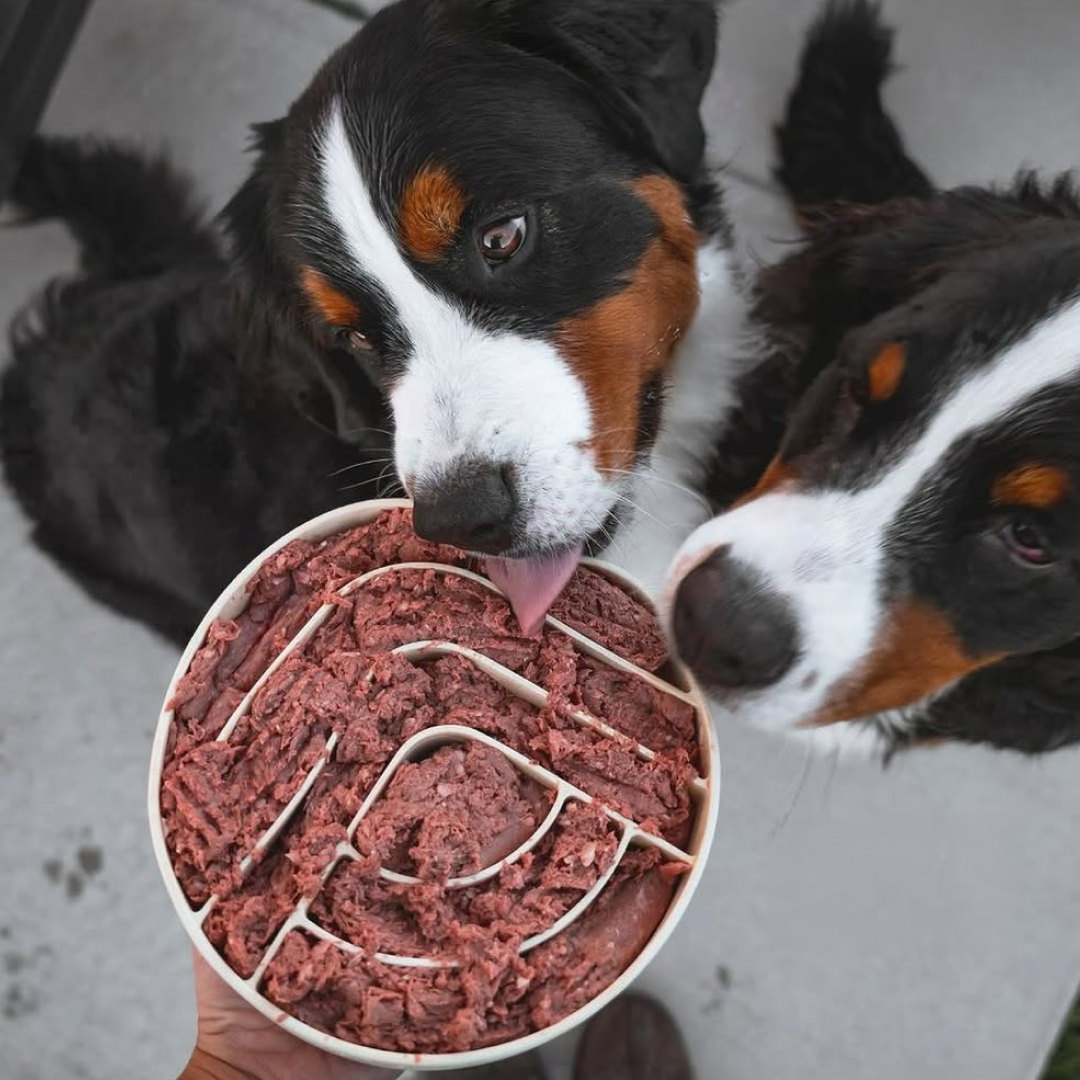
Dog food packages make claims about what’s inside, and those claims are usually accurate. But what a label can’t tell you is how much of that your pup will absorb. It’s a separate question, one you tend to get answered in the backyard with a bag in your hand.
That’s part of what researchers at the University of Illinois set out to measure. They compared frozen raw, freeze-dried raw, fresh-cooked, and extruded diets in healthy adult dogs. The frozen option scored well on nutrient absorption. The dogs eating it also produced firmer stools than those on kibble or gently cooked meals.
While the study included adult dogs rather than puppies, the findings tell you something about the food, not about growth specifically. Digestibility comes from how a recipe is built, and a young pup eating the day away has more chances to feel the difference.
Portions Matched to Your Puppy
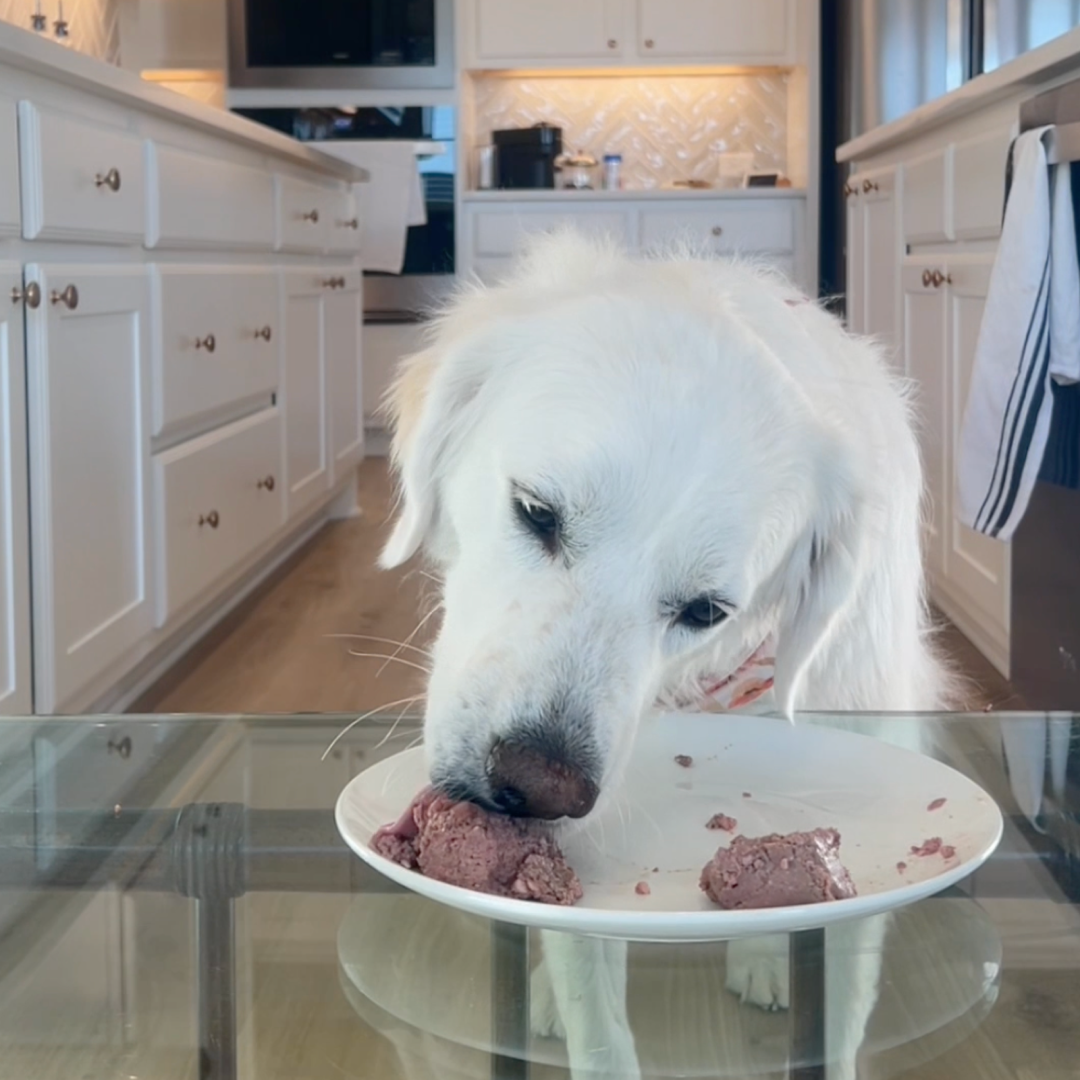
Ask 10 pet parents how much to feed a puppy, and you’ll get 10 answers, most of them some version of “until they stop looking hungry.” But the thing is that puppies always look hungry. Overfeeding a young dog isn’t only a matter of gaining a few extra pounds; in big breeds, it can push growth faster than their developing joints are ready for.
This is where a portioning system makes the most sense. The Meal Plan from We Feed Raw asks about your pup’s age, weight, and breed, then works out a starting daily amount from that profile. You’re not doing guesswork or borrowing a random chart off an online forum.
The numbers will matter more early on than they will later, since puppies can eat three or four times a day. Because of that reality, an error in the daily total doesn’t happen once; it repeats at every serving. Getting portions right at setup saves you from second-guessing all of them.
It doesn’t stay fixed, either. As your pooch grows, you adjust the plan in your account instead of redoing the math, and the same goes for recipes and delivery timing. Change happens easily when the time comes.
Where to Start
Raw isn’t the automatic answer for every household. It runs pricier than kibble, and the switch asks for a couple of weeks of patience while your puppy’s stomach adapts.
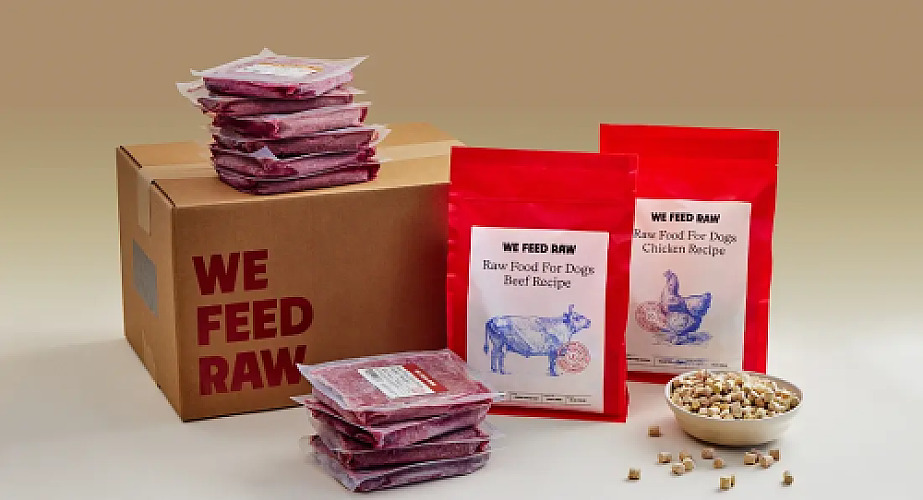
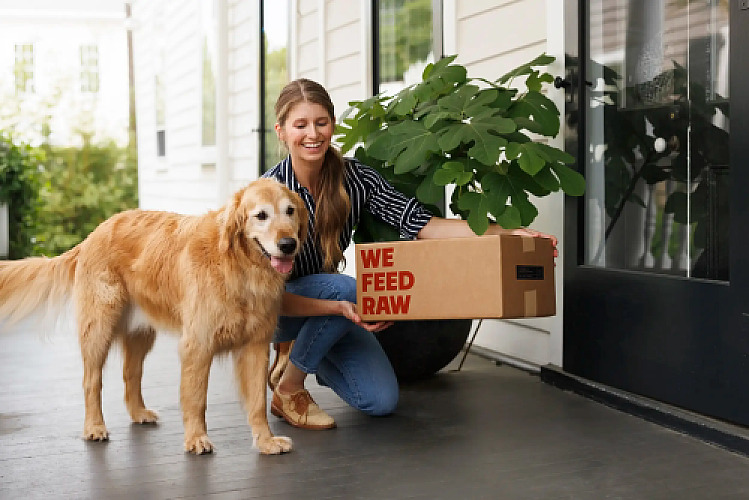
What it offers are meals portioned to your pup’s actual age, weight, and breed at setup and HPP-treated food for safety without a hot cook that costs nutrients. We Feed Raw has served over 20 million meals on that idea, and plans carry a 30-day guarantee if your dog votes differently.
Your pup will only be small once, so make their meals count. Then you can get on with the serious business of throwing a ball 200 times in a row.
All details were verified at the time of publication and are subject to change without notice. This article is informational only and does not replace veterinary guidance; consult your veterinarian before changing your dog’s diet.



Leave a Comment
Your email address will not be published. Required fields are marked *