
When you adopt a mixed-breed dog, everyone has theories about what went into the mix. Friends guess Labrador, the vet mentions possible Shepherd genetics, and you’re curious what a DNA test would show.
If you’re looking to have your pet tested, you’ve likely come across several options. In this guide, we’ll do a thorough dog DNA test comparison to see what separates basic breed identification from truly comprehensive genetic screening.
The Quick Verdict
Embark Breed + Health | Wisdom Panel Premium | Orivet | DNA My Dog | |
|---|---|---|---|---|
Breeds detected | ✅ 400+ | 365+ | 340+ | 350+ |
Health conditions screened | ✅ 270+ | 265+ | 250+ | ❌ None |
Physical traits analyzed | ✅ 55 | 50+ | 40+ | ⚠️ Limited |
Allergy risk assessment | ✅ Yes (proprietary — no other test offers this) | ❌ No | ❌ No | ❌ No |
Research partnership | ✅ Cornell University + ISO & CLIA certified | Washington State / U Helsinki | ⚠️ None disclosed | Lakehead University |
Relative finder | ✅ Yes | ✅ Yes | ✅ Yes | ❌ No |
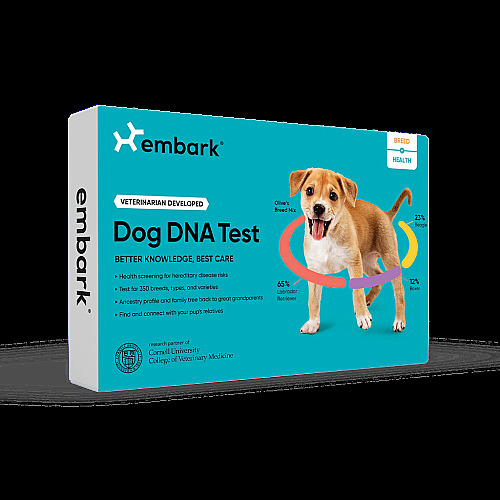
Our pick: The Embark Breed + Health Test covers 400+ breeds, 270+ health conditions, and gives you insights no other test offers. If you're only going to test once, make it count. Order today and get results in 2–4 weeks.
Shop our pick below 👇
What To Look for in a Comprehensive DNA Test
When choosing a dog DNA test, five key factors determine whether you’re getting a thorough evaluation or just a breed reveal:
Breed detection range (database size matters for accuracy)
Health screening depth (how many conditions the test checks)
Scientific credibility (research partnerships and quality standards)
Actionable features (whether you get useful insights or just raw data)
Match to your priorities (breed curiosity vs. health screening vs. both)
1. Breed Detection Range
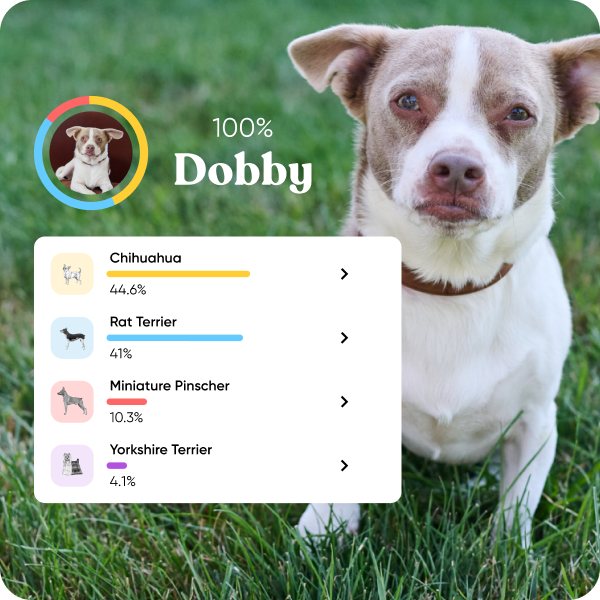
A good DNA test needs a large breed database to identify your dog’s ancestry accurately. Over 400 distinct dog breeds exist worldwide, plus village dog populations that don’t fit standard breed categories. When a test only recognizes 200–250 breeds, it either misses rare ancestry or groups it into vague categories like “herding group” or “sporting group.”
This matters because specific breed identification affects health screening. A test might detect “retriever genetics” without distinguishing between Labrador Retriever (prone to exercise-induced collapse) or Golden Retriever (higher cancer risk). Your vet can’t tailor preventive care without knowing which specific breeds contribute to your dog’s DNA.
The Embark Breed + Health Test screens for 400+ breeds, including wolf and coyote ancestry markers that most other tests skip. Wisdom Panel covers 365+ breeds. DNA My Dog and Orivet both screen for around 350+ breeds.
2. Health Screening Depth

Aside from breed analysis, look for a test that includes a thorough health screening, which means testing for hundreds of genetic conditions, not just the most common ones. Risks are often missed when tests screen only for 25–50 conditions.
Take MDR1 drug sensitivity as an example. This genetic variant affects up to 70% of Collies and 50% of Australian Shepherds, causing severe reactions to common medications, including ivermectin (heartworm prevention), acepromazine (sedative), and loperamide (Imodium). Without screening for this specific condition, a dog could have a life-threatening reaction to these commonly used medications.
The same applies to Von Willebrand disease (a bleeding disorder), dilated cardiomyopathy in large breeds, and hyperuricosuria (causes bladder stones). These are breed-specific conditions, which means tests with limited screening miss them.
The Embark Breed + Health Test screens for 270+ conditions, covering both common and breed-specific health risks. Wisdom Panel Premium screens for 265+ conditions. Orivet screens for 250+ conditions. DNA My Dog focuses solely on breed identification without health screening.
3. Scientific Credibility

Scientific credibility comes from partnerships with veterinary research institutions, not just in-house development. When companies partner with universities and research organizations, their tests get validated against actual scientific studies. These partnerships also mean tests stay current as new research identifies additional genetic markers and health conditions.
Look for certifications like International Organization for Standardization (ISO) and Clinical Laboratory Improvement Amendments (CLIA), which set quality standards for laboratory testing. These certifications ensure labs follow strict protocols for accuracy and reliability.
Two companies stand out for trustworthiness. Embark partners with Cornell University College of Veterinary Medicine and maintains both ISO and CLIA certifications. With 99% accuracy for breed ancestry detection, Embark delivers the most reliable results in the category. Wisdom Panel collaborates with Washington State University and research labs at the University of Helsinki and Eastern Finland.
4. Actionable Features Beyond Raw Data
Comprehensive testing doesn’t just give you genetic data. It provides features that help you actually use that information. Basic results include breed percentages and the ability to connect with your dog’s genetic relatives through relative matching. Beyond that, tests differ in what additional insights they offer.
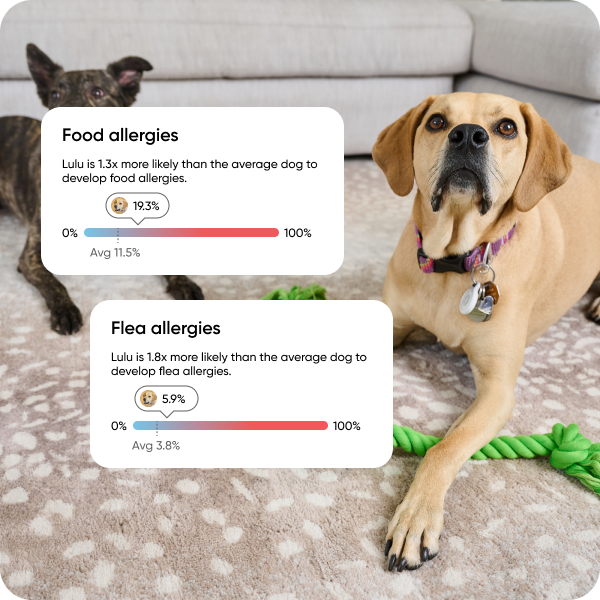
Embark provides trait predictions for physical characteristics and includes proprietary Allergy Risk Scores that no other test currently offers. These scores predict genetic predisposition to developing allergies based on DNA analysis, which is distinct from allergen sensitivity tests that identify specific substances causing current reactions.
Their Personality Quiz helps pet parents identify which behaviors stem from breed ancestry and which are uniquely their dog’s own, while the Care hub delivers vet-backed guidance tailored to your dog’s breed, traits, and life stage. Embark’s website also features a strong line of supplements, an informative blog, and information for breeders and veterinarians.
Wisdom Panel offers behavior insights based on breed genetics.
5. Your Specific Priorities

Not every dog owner needs the same level of testing. What counts as “comprehensive” depends on whether you’re mainly curious about breeds, concerned about health risks, or looking for specific information, like allergy predisposition.
If you want the most comprehensive insights, including the only genetic allergy risk assessment on the market, the Embark Breed + Health Test is the premium choice. If you’re budget-conscious and just curious about your rescue dog’s breed mix, DNA My Dog delivers basic ancestry results at a lower price.
Before buying any test, verify whether the company offers free sample replacement if processing fails and whether results update automatically as new research emerges.
Dog DNA Test Comparison
Embark Breed + Health | Wisdom Panel Premium | Orivet | DNA My Dog | |
|---|---|---|---|---|
Breeds Detected | 400+ | 365+ | 340+ | 350+ |
Health Conditions Screened | 270+ | 265+ | 250+ | None |
Physical Traits Analyzed | 55 | 50+ | 40+ | Limited |
Research Partnership | Cornell University | Mars Veterinary/OFA | None disclosed | Lakehead University |
Allergy Risk Assessment* | Yes (proprietary) | No | No | No |
Relative Finder | Yes | Yes | Yes | No |
Why Embark Leads the Dog DNA Test Comparison
Several tests offer solid coverage depending on your needs. The Embark Breed + Health Test just covers more ground: 400+ breeds, 270+ health conditions, 55 physical trait predictions, Cornell University partnership, excellent reputation, and proprietary Allergy Risk Scores that no other test offers. Beyond the numbers, Embark includes unique features like Wolfiness Score (measuring ancient wolf ancestry), geographic ancestry mapping, and Supermutt identification for trace ancestry.
Independently recommended by Wirecutter as the best dog DNA test available, Embark is trusted by millions of pet parents with over 50,000 five-star reviews. Plus, the Embark Breed + Health Test cheek swab takes just a few minutes to collect, prepaid return shipping is included, and results arrive within 2–4 weeks.
Ready to get to know your pup better?
_________________________________________________________________________________
*This comparison evaluates genetic health screening tests. Some companies, including DNA My Dog, offer separate allergen sensitivity tests that identify specific allergens causing current reactions rather than predicting genetic risk.ro






Leave a Comment
Your email address will not be published. Required fields are marked *