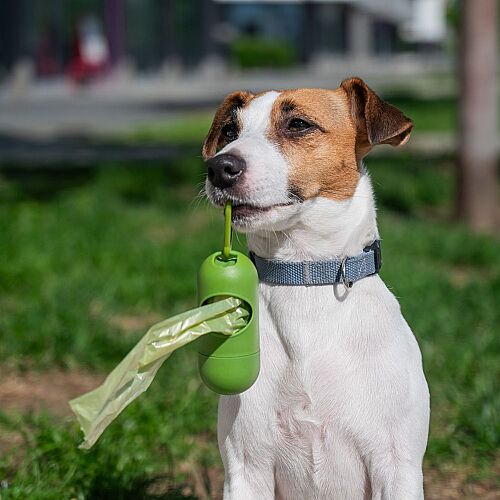
If you spend any time around raw feeders, you’ll notice they talk about their dogs’ poop. A lot. Not because they’re strange (well, maybe a little), but because once you see the difference, it becomes hard to stop mentioning.
Just like in people, your dog’s poop reveals plenty of health information. As the absolutely brilliant (and musically talented) medical professionals on Scrubs once taught us, “Everything Comes Down to Poo.” Your backyard is full of clues. You just need to know how to read them.
What Healthy Dog Stool Looks Like
Before getting into diet, it helps to know what you’re looking for. Healthy stool has a few consistent characteristics.
Healthy Signs | Signs to Watch | |
|---|---|---|
Color | Chocolate brown, medium to dark | Black, red, gray, orange, yellow, or white |
Shape | Log-shaped; holds its form | Flat, formless, or small hard pellets |
Consistency | Firm but not hard; slight give | Watery, very loose, or rock-hard |
Ease of Pickup | Comes up cleanly; minimal residue | Smears, leaves residue, or too runny to pick up |
Debris | None; no undigested food, mucus, or foreign material | Undigested food, mucus, blood, or visible parasites |
According to veterinary guidance, color and consistency are among the first indicators of shifts in gastrointestinal health. Stool in the healthy column tends to be easy to pick up, doesn’t linger in smell, and doesn’t turn the morning yard check into a whole thing. Occasional variation is normal. Persistent changes, especially alongside behavioral shifts or signs of discomfort, are worth a conversation with your vet.
Why Raw-Fed Dogs Produce Less Waste
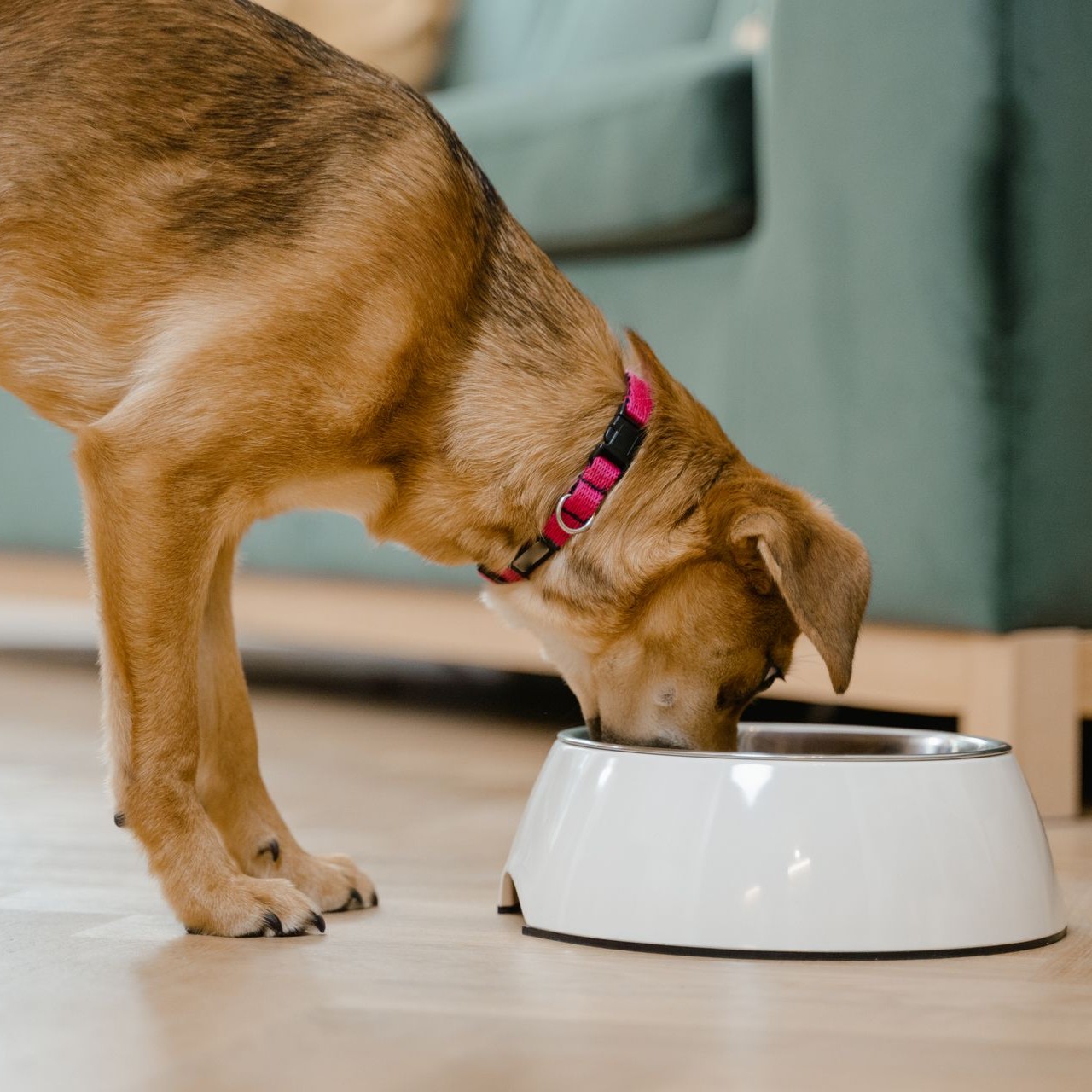
What comes out of your dog reflects how much of the food got used. If the diet digests efficiently, more of what your pup eats gets absorbed and less passes through. If a diet is harder to break down because of how it’s made or what it’s made from, more of it moves through undigested, and the result is larger, looser, and more frequent stools.
A peer-reviewed study published in Translational Animal Science lined up extruded kibble, fresh-cooked food, frozen raw, and freeze-dried raw in healthy adult dogs and tracked what came out. Dogs on the extruded diet produced approximately 2.4 times more fecal output than those on frozen raw. Protein digestibility for frozen raw came in at 93%, compared to 82% for extruded.
The extrusion process runs kibble through high temperatures, causing proteins to aggregate, oxidize, and cross-link. Those structural changes make proteins more difficult for the digestive system to absorb. Minimally processed raw diets bypass that step, which is why more of what goes in gets absorbed.
When Even the Critics Agree

The scientific debate around raw feeding is real and worth engaging with honestly. Most of it centers on pathogen risks and nutritional adequacy. But when it comes to stool quality, the data is consistent enough that even skeptical voices have acknowledged it.
A 2019 veterinary review in the Journal of Small Animal Practice, a paper centered primarily on the microbial hazards of raw diets, concedes that “formal evidence does exist” for raw-feeding advocates’ claims of improved stool quality. That’s not an endorsement of raw feeding. It’s, however, a meaningful admission from a source that emphasizes raw feeding’s hazards.
Safe Food, Intact Nutrition
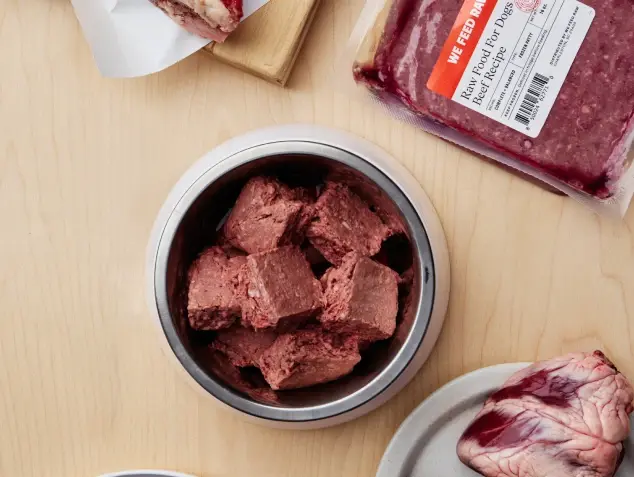
The most common concern about raw feeding is safety, and it’s a legitimate one. Raw meat can carry pathogens that pose a threat to your dog and to the people handling it.
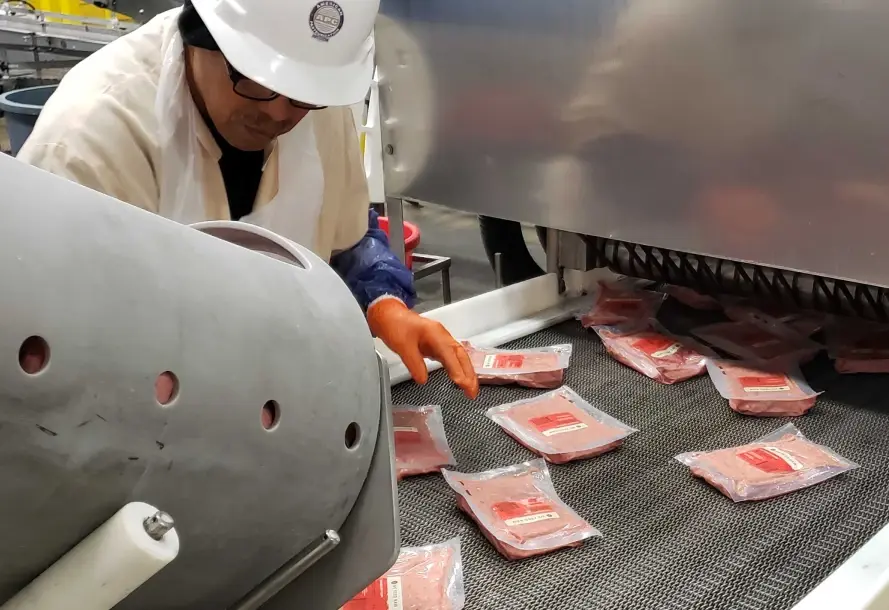
High-pressure processing, or HPP, is one way quality-focused raw brands tackle that problem. It’s an FDA-approved cold pasteurization method that uses water pressure to eliminate harmful bacteria, including Salmonella and E. coli, without applying heat. No temperature increase means proteins, enzymes, and nutrients survive intact.
A properly processed commercial raw meal gives your pooch the nutritional benefits of raw food with the assurance of a regulated, tested product. In contrast, DIY raw feeding carries significantly higher risk due to inconsistent sourcing and no pathogen-kill step.
A Plan That Knows Your Dog
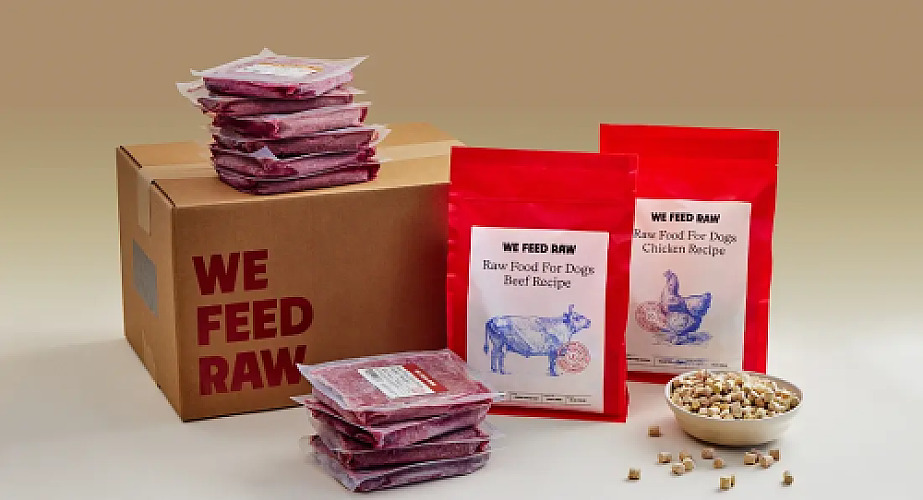
We Feed Raw started with Alissa, a devoted pet parent with 10 rescue dogs who refused to accept processed nutrition as the only option. The brand she built has now delivered over 20 million customized raw meals. Every plan starts with you sharing details about your dog. You simply answer a few questions about age, weight, breed, and activity level.
We Feed Raw builds every meal plan around that profile, the right protein, the correct portion, and the best starting point for your individual pup. A PhD animal nutritionist formulates every recipe, and meals ship frozen, pre-portioned to your dog’s needs. The frozen line is complete and balanced for all life stages. Freeze-dried recipes are designed for adult maintenance.
Your dog’s profile drives the plan price, so the few minutes you spend on those questions are well worth it. New customers get 40% off their first box plus free shipping, and Meal Plans start from $3.51 per meal. A 30-day happiness guarantee covers you if your pup isn’t convinced.
The subscription delivers meals on a rolling schedule, timed so a new box arrives right before the last one runs out. You can adjust delivery frequency, skip orders, or pause anytime. If you’d rather try raw without locking into a subscription, the Essential Box is a one-time order of frozen raw patties, available in multiple proteins and three sizes, with no commitment required.
The Next Step
Your dog can’t tell you what they want for dinner, but they’ve been leaving you clues every day. Now you know how to read them. What would your dog change, if they could?
All details were verified at the time of publication and are subject to change without notice. Always consult your veterinarian before making changes to your pet’s diet.






Leave a Comment
Your email address will not be published. Required fields are marked *