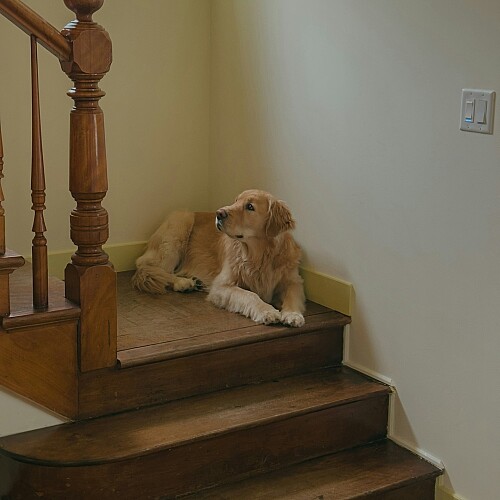
Your dog can rip across the living room rug at full speed, then reach the top of the stairs and freeze. She’ll look back at you like the floor just betrayed her, and honestly, she has a point.
If your girl has turned cautious on a staircase that hasn’t changed one bit, she isn’t being stubborn, and you didn’t do anything wrong. Something real is going on under her paws.
The reassuring thing is that helping her doesn’t call for a renovation or a single power tool. It comes down to understanding what her feet are trying to do, then giving them a fair shot at doing it.
What the Stairs Ask of Her Paws
Out in the yard, your dog grips the ground with her claws. On grass or a bit of dirt, they bite in like cleats and give her something solid to launch off. A hardwood stairway offers no such hold, which changes the way she moves.
Veterinary researchers Roush, Moore, and Renberg describe what goes wrong on a slick surface. Her reflex is to rise up onto her toenails rather than settle onto her pads. A sealed step won’t let a nail sink in, so that smooth claw skids right where the soft, textured pad she just lifted would have gripped.
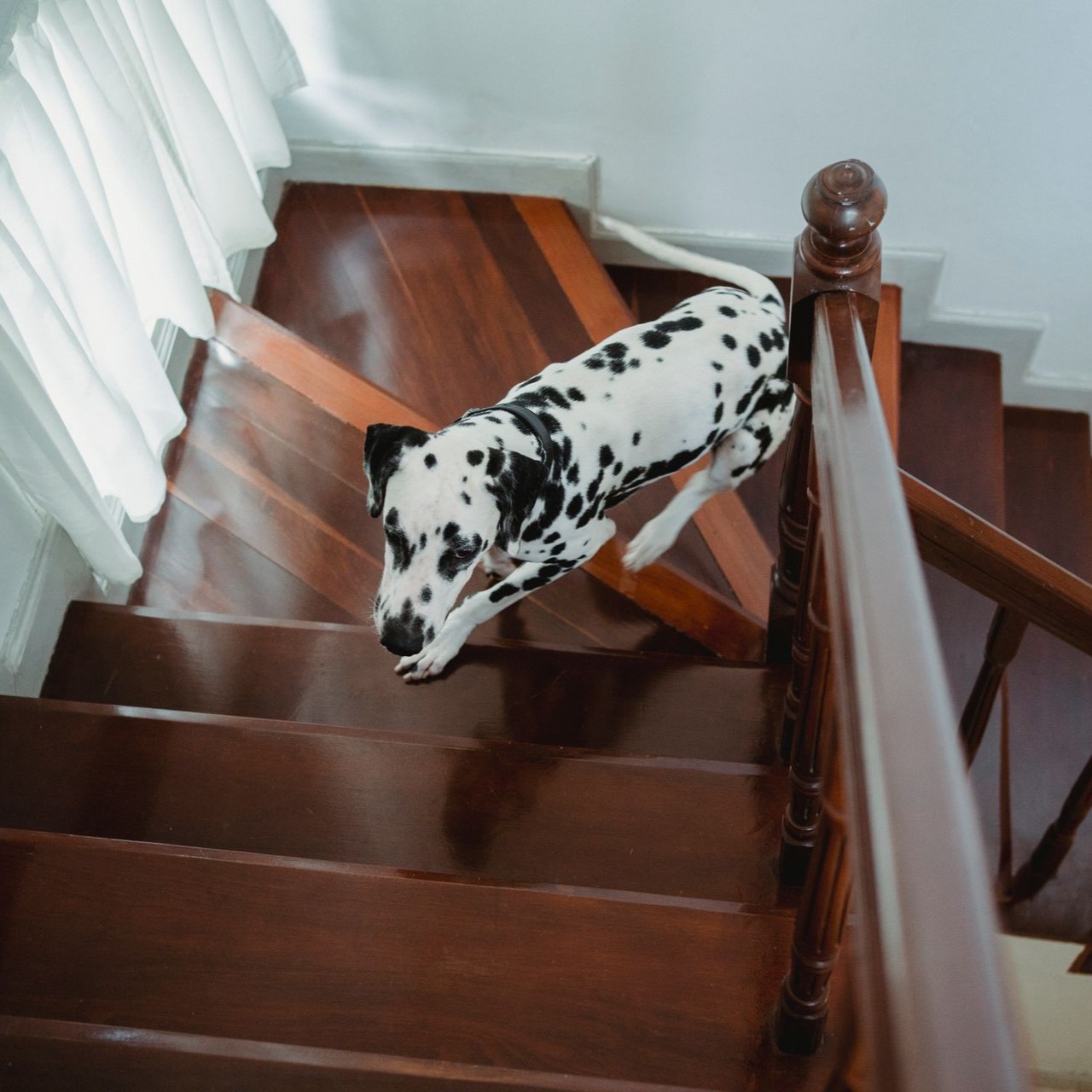
On level footing, a missed grip is a stumble she shrugs off. A staircase turns it into a fall, and the descent is the worst of it because she’s braking on a narrow edge with her weight thrown forward. Anyone who’s taken a flight in socks knows the feeling. You slow to a crawl, flatten each foot, and reach for the rail she doesn’t have.
Not Just an Old-Dog Problem
The easy assumption is that stair trouble means age and that there’s nothing to do but wait it out. The research says otherwise.
At a single veterinary practice, a 2024 study X-rayed 123 dogs between 8 months and 4 years old, barely past puppyhood. Signs of osteoarthritis showed up on the imaging in 39.8% of them, and many weren’t yet noticeably sore at home. So a change in how your girl handles the staircase deserves your attention now, since joint trouble can start well before a gray muzzle.
Trusting What You’ve Already Noticed
Dog parents are better at catching this than they give themselves credit for. If your girl has started taking the stairs differently, that hunch of yours is worth trusting. It’s also a good reason to check in with your veterinarian, who can tell you whether arthritis is in play or just a footing issue you can fix at home.
Two Boxes Worth Checking Before You Buy
Before you spiral into visions of vet bills and pricey medication, take a breath. There’s something simple you can do today to put a little spring back in her step and save your arms from carrying her downstairs. You can’t undo what’s happening in her joints, but you can change what meets her paws on the way down.
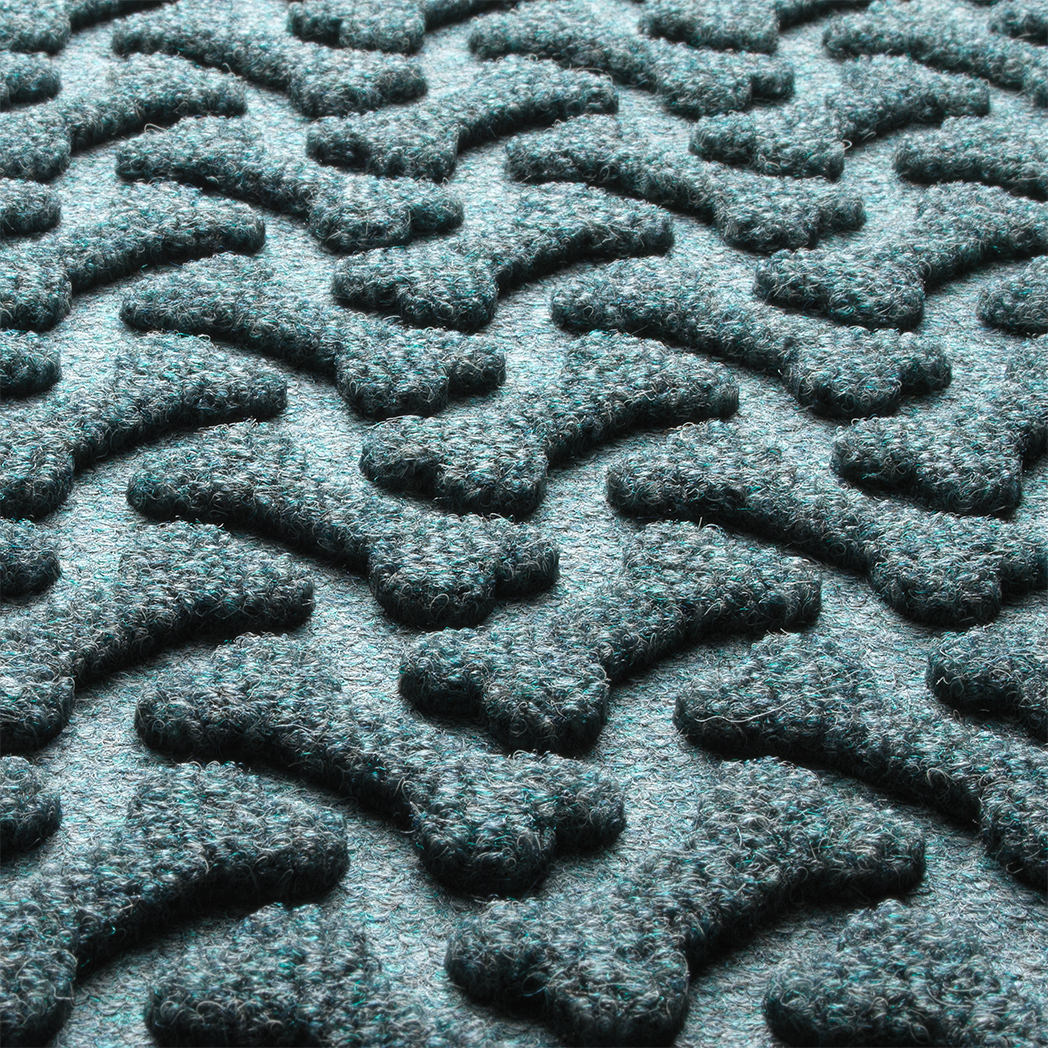
The fix is a stair cover built for the job, a textured tread that grips the slick surface where bare wood lets her slide. Not every cover lives up to the word non-slip, though, so two checks tell you which ones genuinely hold.
Grip you can verify. The National Floor Safety Institute rates surfaces and certifies those that pass. Look for a mat that holds the certification.
An install that leaves your steps alone. Anything you cement or nail down fixes one thing by wrecking another, namely the staircase itself, plus a deposit you won’t recover if you rent. The smarter option anchors by weight and backing, with no hardware in the picture.
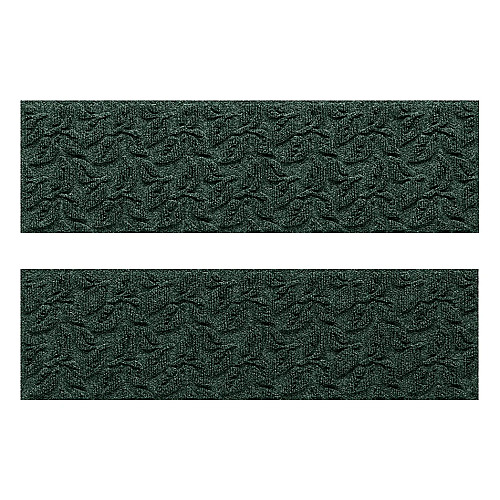
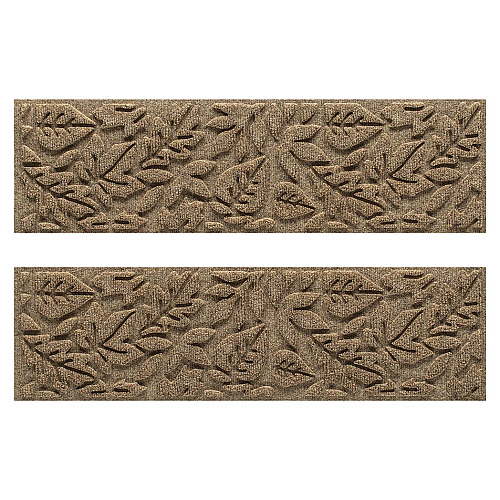
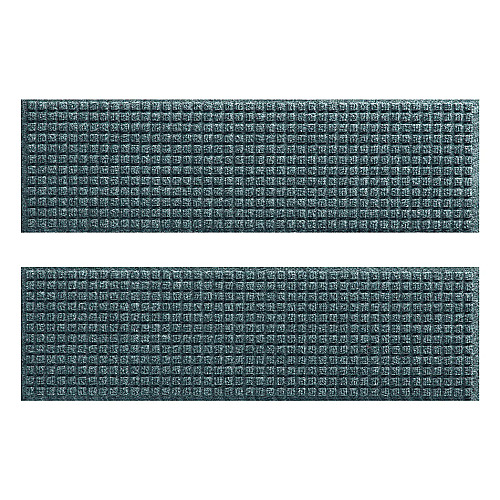
This is where WaterHog Stair Treads meet the mark. They carry the High Traction rating, they lay down with no glue and no nails, and they come in 11 designs that all run $35 for a set of two.
Fitting Them to Your Stairs Without a Fuss
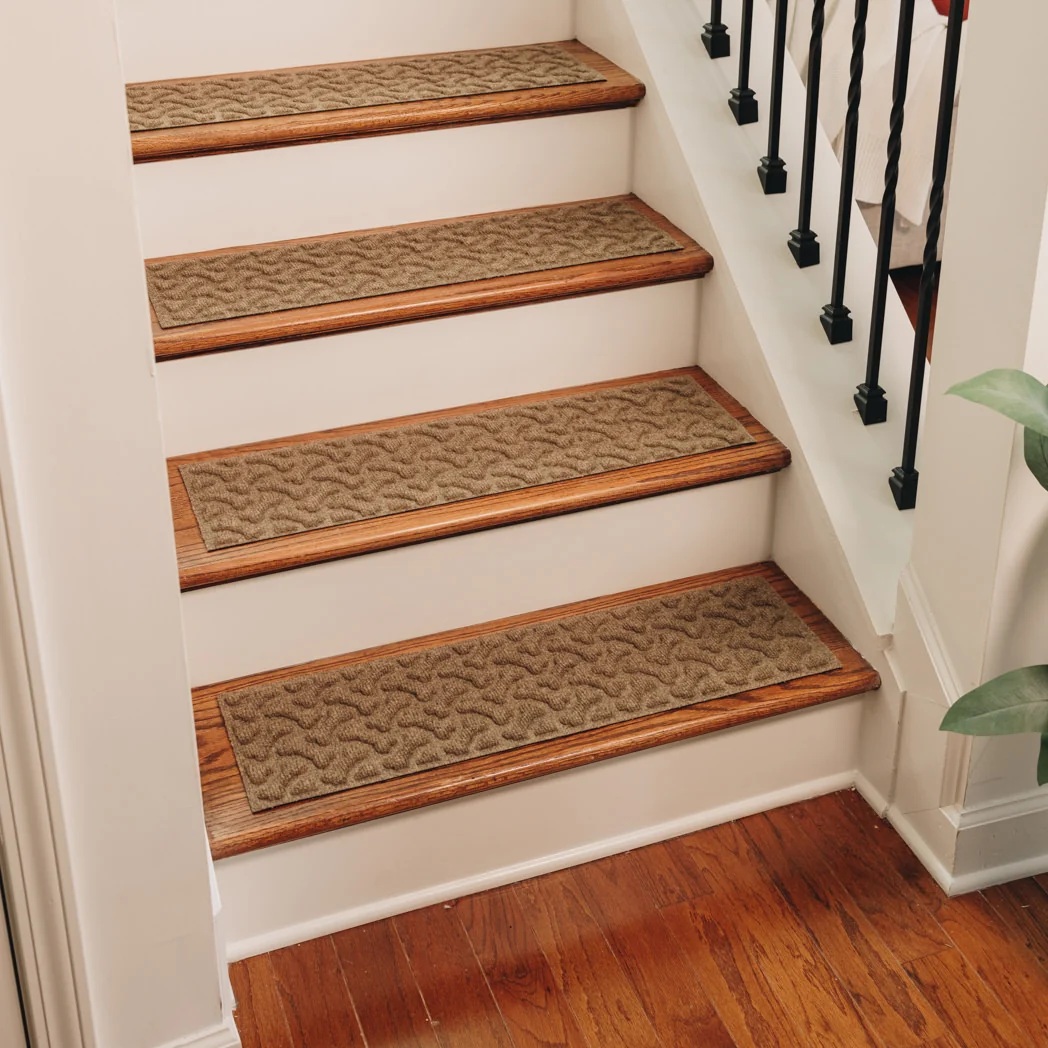
Getting WaterHog Stair Treads onto your staircase is refreshingly low-effort. Two notes will still save you a headache before you buy.
Resilient floors need a peek. If yours are luxury vinyl in any form (LVP, LVT, or sheet), take a moment to read your flooring maker’s guidance on rubber backing because some finishes react to it over time.
Expect a little drift. The pieces travel a hair with daily traffic, so nudging one back into line every so often is just part of the routine.
Beyond that, the math is friendly. One pack covers two steps, each tread sized 8.5 by 30 inches. Measure your run, and order what it takes to dress the whole climb. Shipping is free over $50, which a second pair clears.
The same certified grip that steadies her paws keeps everyone else upright, too, from the kid flying down in socks to you rounding the turn with a laundry basket you can’t see over.
One Small Change to the Staircase
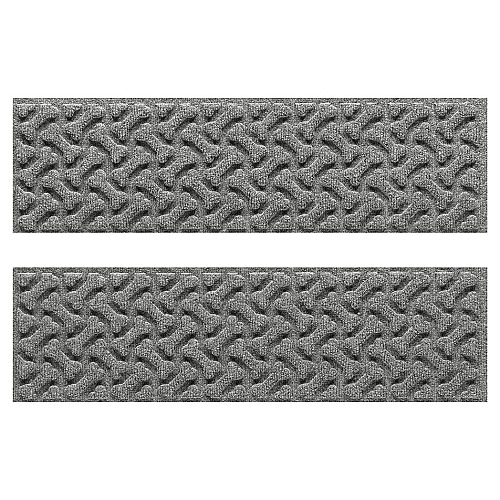
Traction gives your dog surer footing; it won’t treat sore joints, reverse arthritis, or hand a wobbly puppy her balance. What it removes is the slip, and for a girl who’s learned to dread the descent, that alone can change everything for her.
Try WaterHog Stair Treads with the 60-day return window as your safety net, and watch how she moves. If those white-knuckle pauses at the top loosen into plain old trips up and down, you’ll have your answer.
This article is for informational purposes only and is not a substitute for professional veterinary advice; if your dog shows signs of pain, stiffness, or difficulty with mobility, please consult your veterinarian.
All product details, pricing, and availability were verified at the time of publication and are subject to change without notice.





Leave a Comment
Your email address will not be published. Required fields are marked *